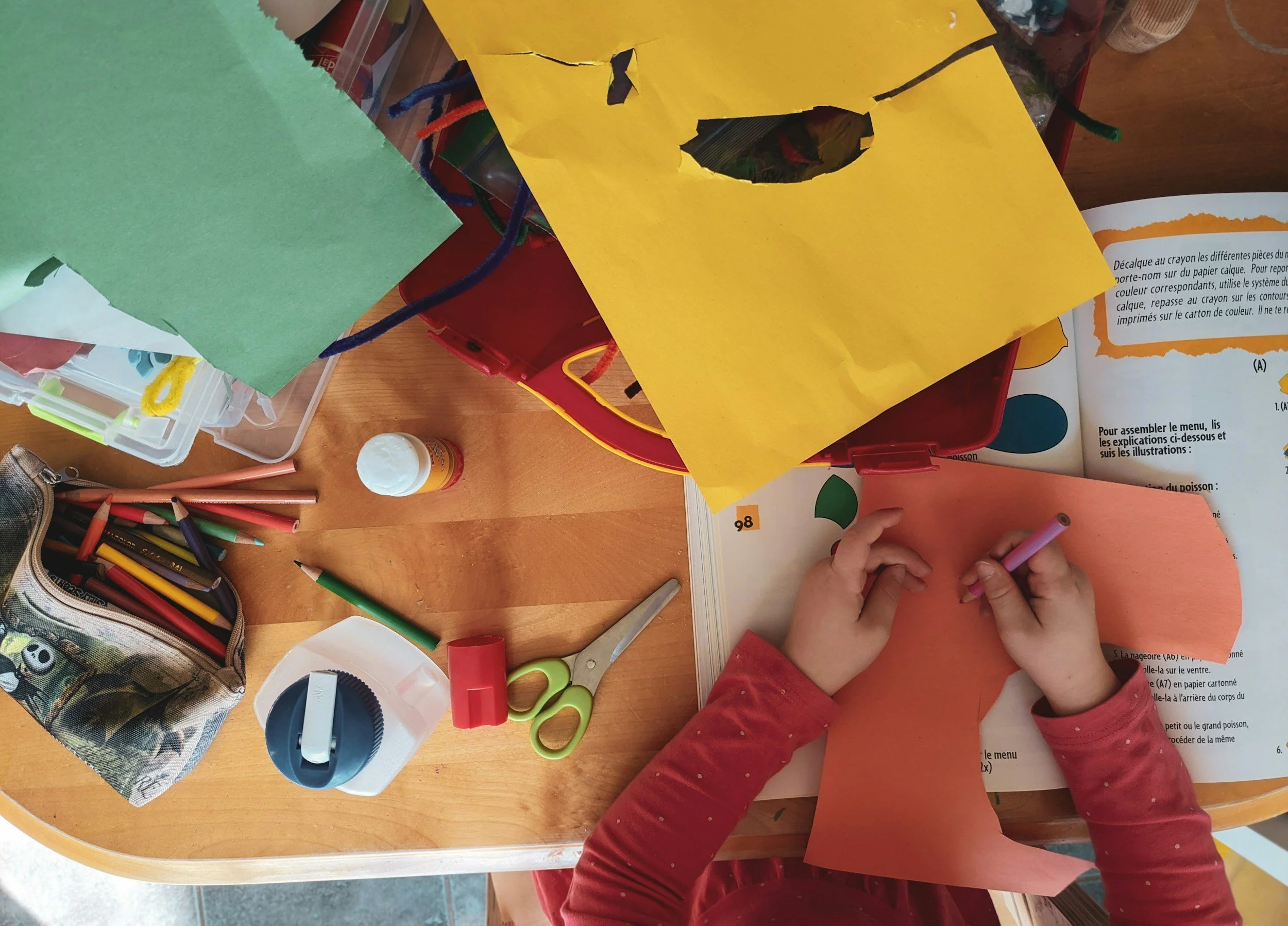
Evaluation and Speech-Language Therapy Services for Children in and Around Plainview, NY
Personalized Therapy from a Passionate Speech-Language Pathologist
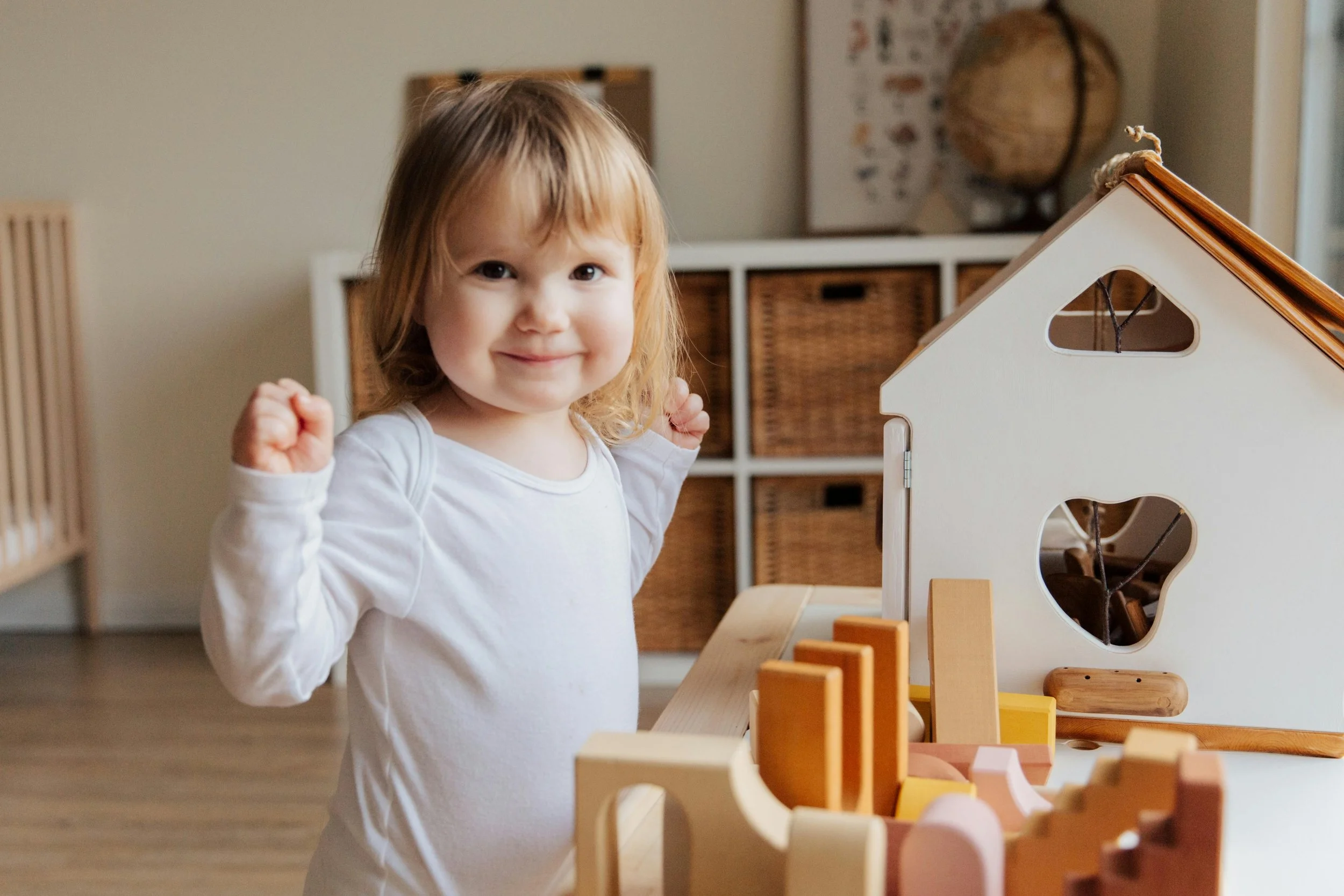
Our Approach to Therapy
At Little Talkers Speech Therapy, we believe that children learn best when therapy feels engaging, fun, and connected to their everyday lives. Our approach is play-based, individualized, and centered around each child’s unique strengths and needs.
Every child’s communication journey is different, which is why therapy sessions are carefully tailored to support their specific goals. Through interactive play, conversation, and structured activities, children are able to practice new skills in a way that feels natural and motivating.
Our goal is to create a supportive environment where children feel confident practicing new skills and families feel empowered to support communication development beyond the therapy session.
Pediatric speech-language evaluations to get to the root of communication challenges
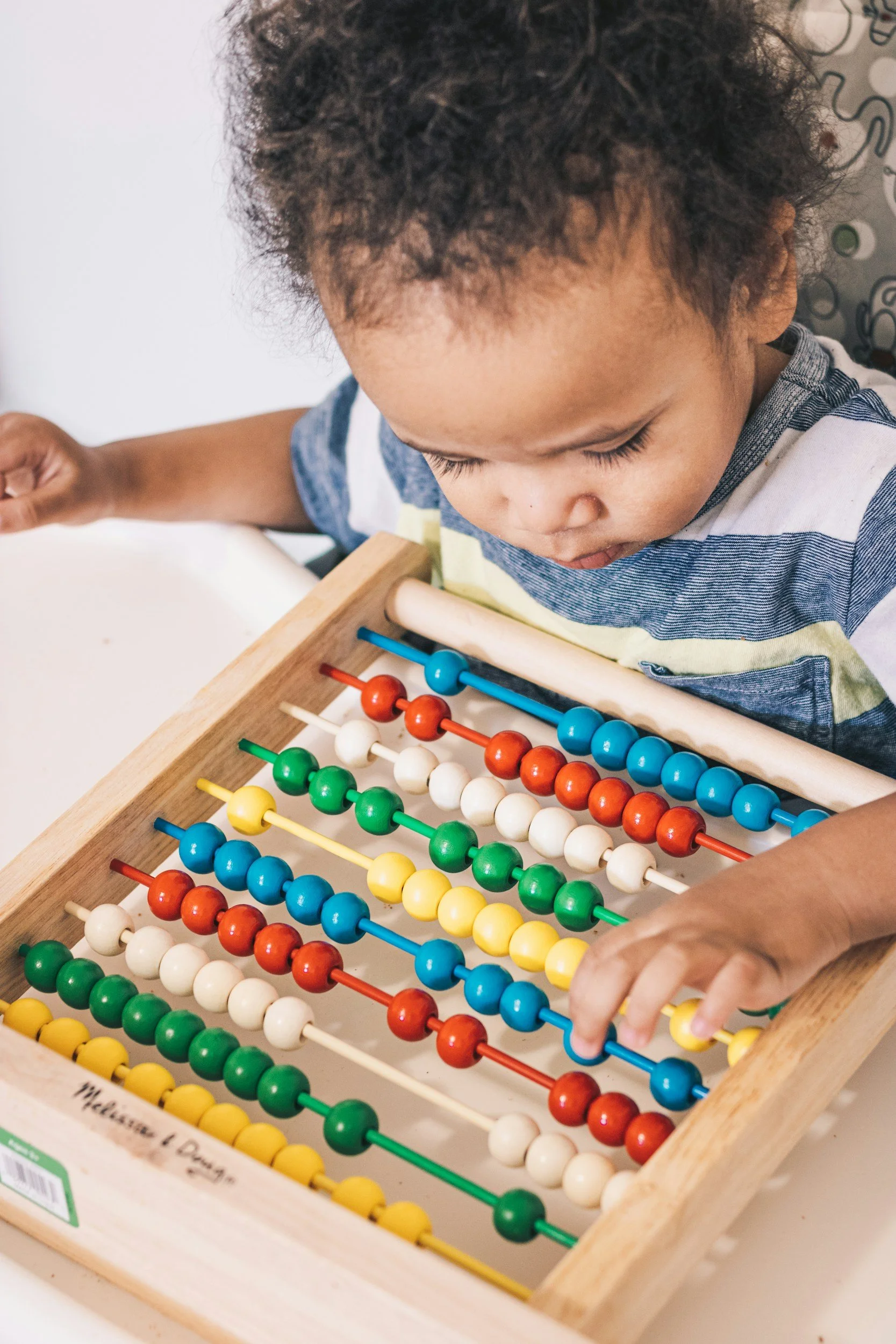
Evaluations
A speech and language evaluation is the first step in understanding your child’s communication strengths and areas where support may be helpful. During the evaluation process, we take the time to get to know your child and gather a full picture of their speech, language, and communication skills.
Evaluations may include play-based observation, standardized assessments, and conversations with parents to better understand your child’s development and daily communication needs.
The goal of the evaluation is not only to identify challenges, but also to highlight your child’s strengths and create a clear plan for supporting their communication growth.
After the evaluation, families receive guidance on next steps, which may include therapy recommendations, strategies for home, or collaboration with schools and other providers when appropriate.
Our Specialties
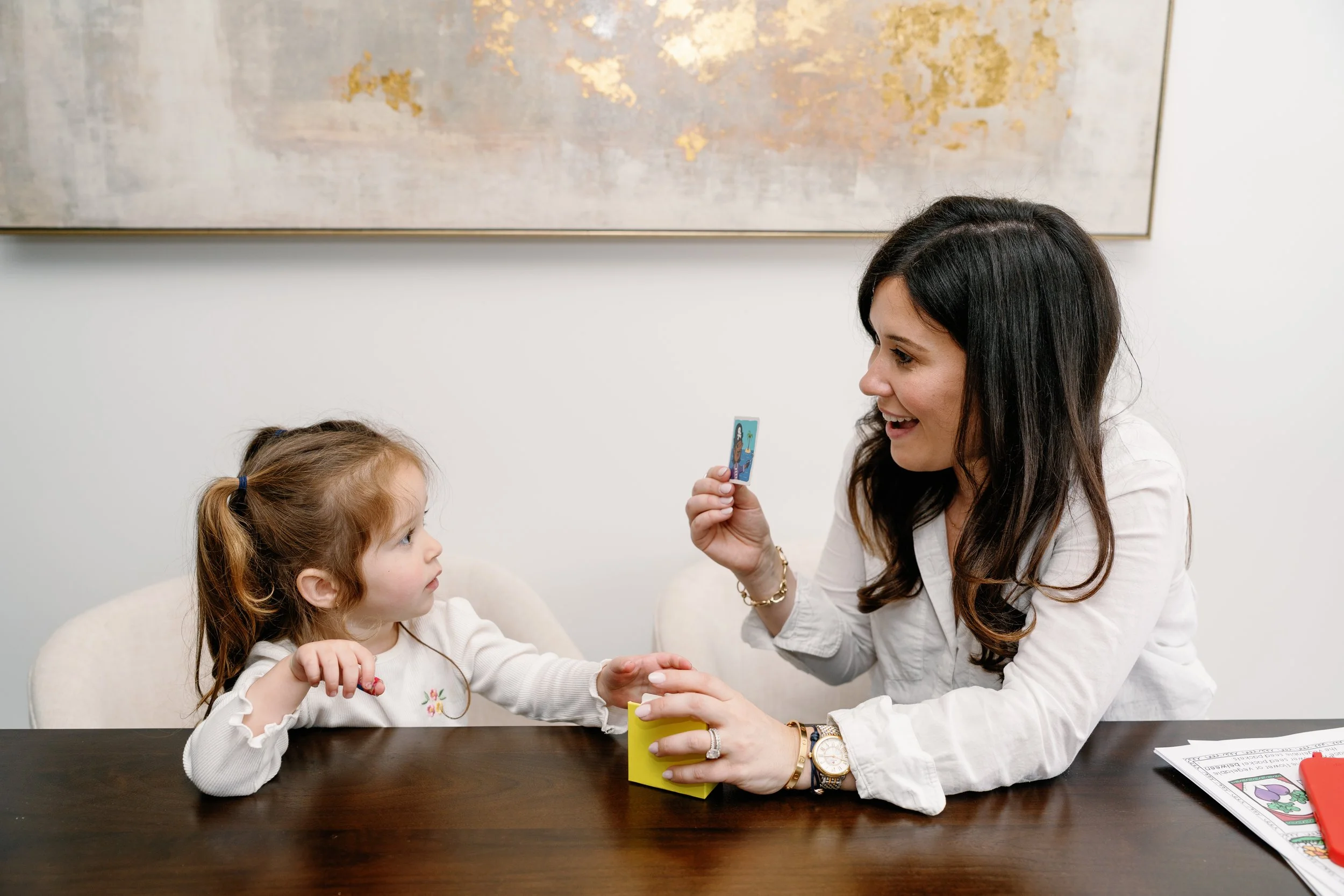
Speech Sound Disorders
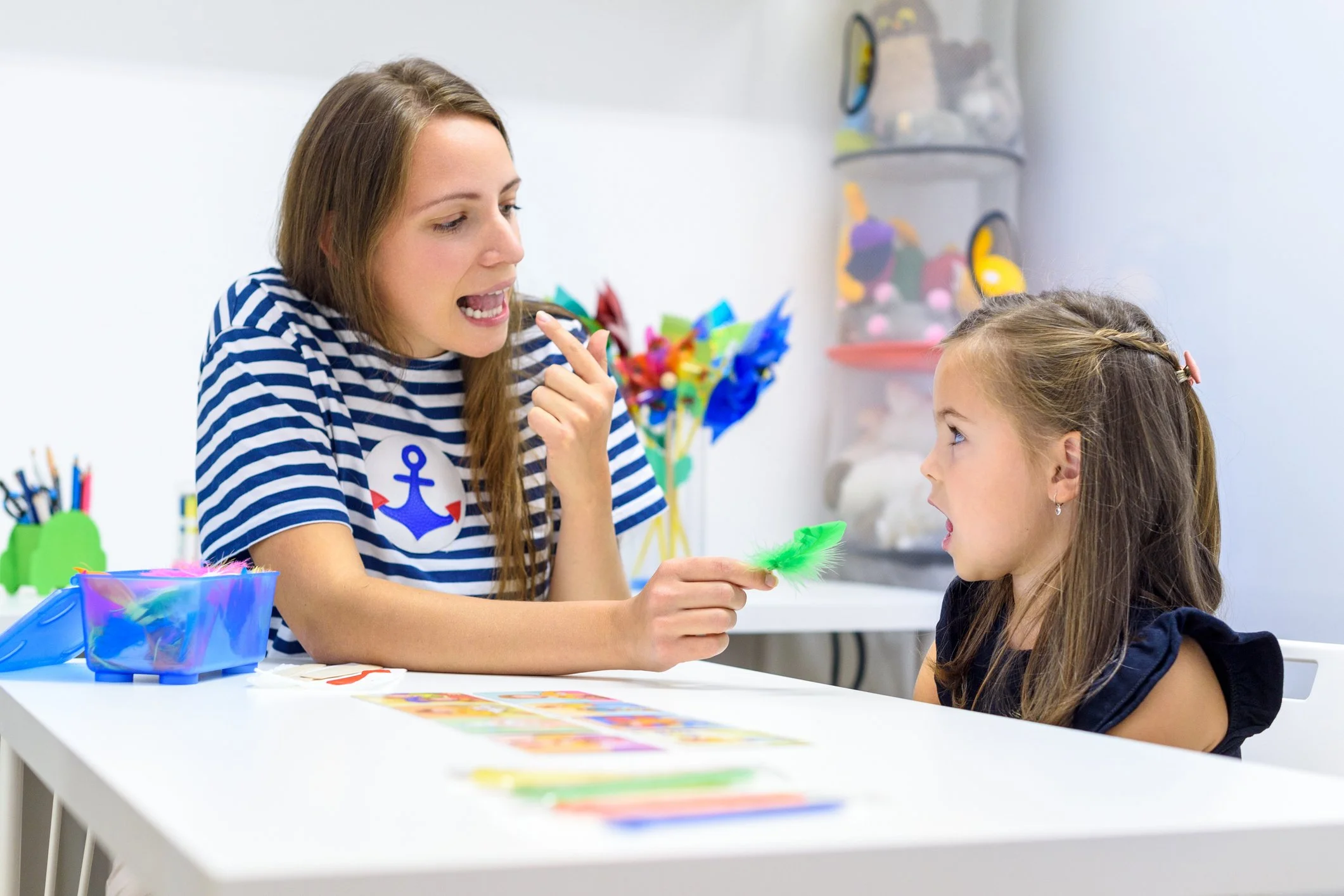
Speech sound disorders occur when a child has difficulty producing certain speech sounds or sound patterns. This can make speech difficult for others to understand and may impact a child’s confidence when communicating. In speech therapy, we focus on helping children learn how to produce sounds clearly while building confidence using those sounds in everyday communication. Therapy may include:
Play-based activities that help children learn correct sound production.
Step-by-step support for articulation and phonological patterns.
Strategies that help sounds carry over into conversation at home and school.
Our goal is to help children feel confident communicating so they can be clearly understood in their daily lives. Pediatric speech-language therapy
Childhood Apraxia of Speech (CAS)
Apraxia is a motor speech disorder that affects a child’s ability to plan and coordinate the movements needed for speech. Therapy emphasizes repetition, motor planning, and multi-sensory cues. Therapy may include:
Intensive, individualized therapy focused on motor planning for speech.
Use of evidence-based approaches such as PROMPT and the Kaufman Method.
Repetitive, supportive practice to help build accurate speech patterns.
The goal of therapy is to help children develop more intelligible, consistent speech so they can communicate confidently with family, friends, and teachers. Pediatric speech-language therapy
Early Intervention (0-3 Years)
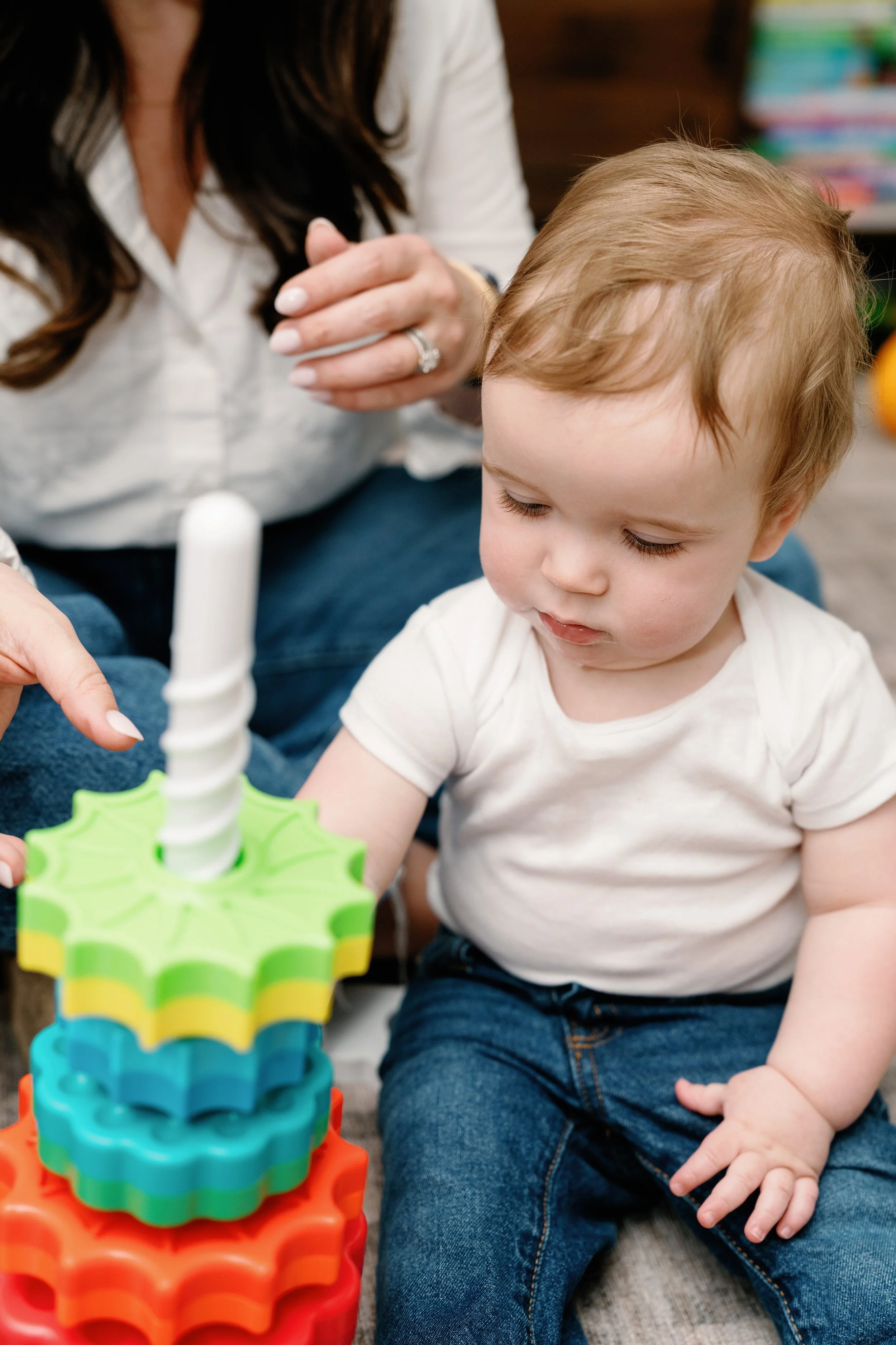
Early Intervention focuses on supporting babies and toddlers who may be experiencing delays in speech, language, or early communication skills. The first few years of life are a critical time for language development, and early support can make a meaningful difference. Therapy may include:
Play-based therapy that supports early communication skills.
Coaching for parents to help encourage communication during daily routines.
Strategies to support gestures, sounds, words, and early language development.
Therapy is designed to feel natural, engaging, and supportive for both children and their families.
Receptive and Expressive Language
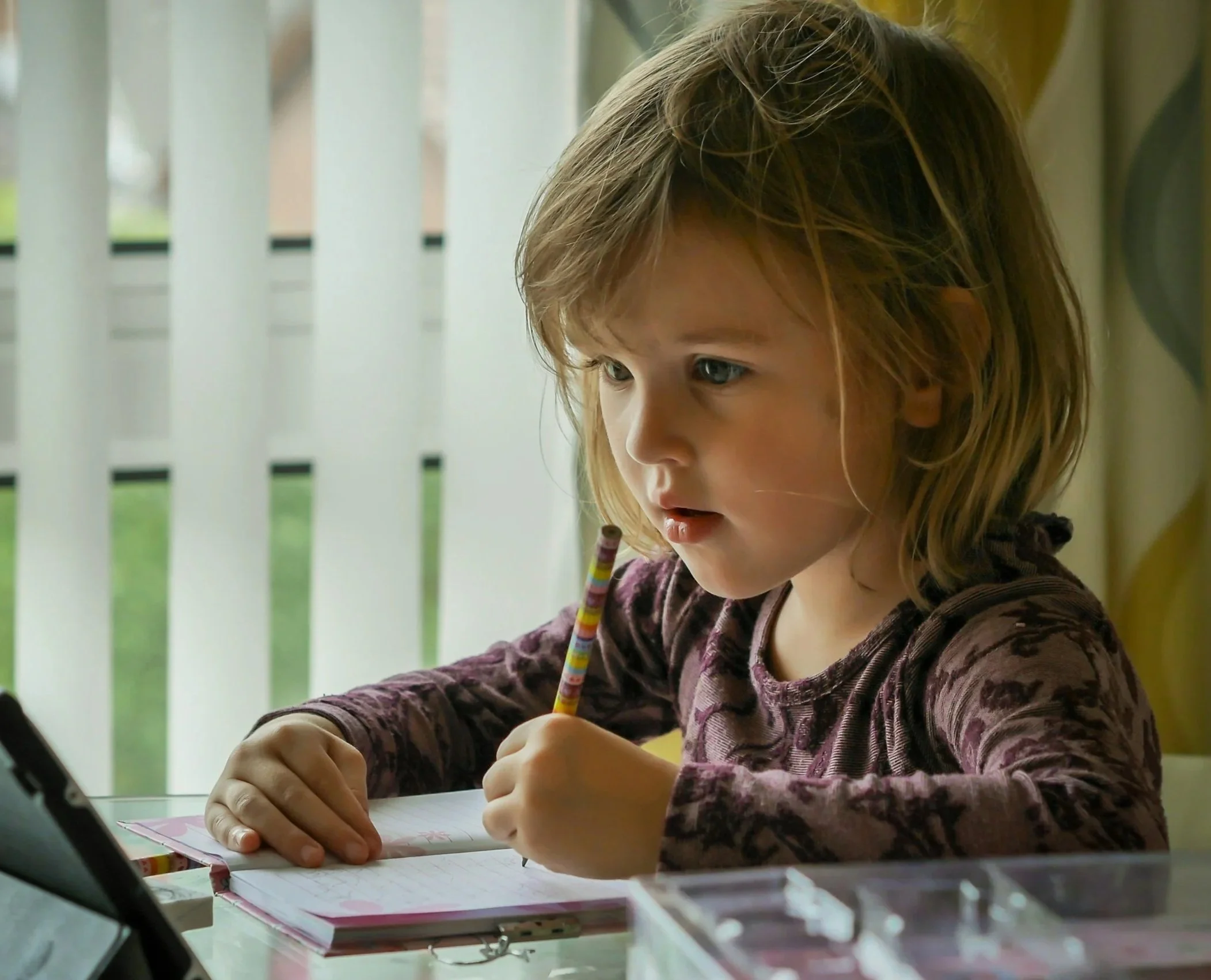
Language challenges can affect many areas of a child’s life, including learning, social interactions, and confidence in school.
Speech-language therapy helps children strengthen both their understanding and use of language through engaging, play-based activities that support real-life communication. Therapy may include:
Support for understanding directions, questions, and new vocabulary.
Activities that build sentence structure, storytelling, and conversation skills.
Strategies to strengthen language skills needed for learning and social interactions.
The goal of therapy is to help children develop the language skills they need to communicate clearly, participate in the classroom, and connect with others. Pediatric speech-language therapy